The essentials
- Try scuba on an all-inclusive day trip with an English-speaking instructor, priced from US$196.[1]
- Introductory dives stay shallow: 6 meters (20 feet) for the initial pool session and 12 meters (40 feet) for the optional open water dive.[2]
- Book now, pay later; you can cancel free up to 24 hours before the trip and receive a full refund.[1]
- A catamaran takes you to an Outer Reef pontoon sitting 47 km offshore.[3]
- After a single no-decompression dive, wait at least 12 hours before flying.[4]
- Top choice Best value all-inclusive from US$196 Duration1 day[1]Rating4.51 from 456 reviews[1]GuideEnglish instructor[1]CancellationFree up to 24 hours[1] Check availability
- Outer and coral cay cruise from US$202 Duration8.5 hours - 1 day[5]Rating4.81 from 1,592 reviews[5]GuideEnglish instructor[5]CancellationFree up to 24 hours[5] See this tour
- Snorkel, dive and culture from US$179 Duration9 hours[6]Rating4.70 from 878 reviews[6]GuideEnglish live guide[6]CancellationFree up to 24 hours[6] See this tour
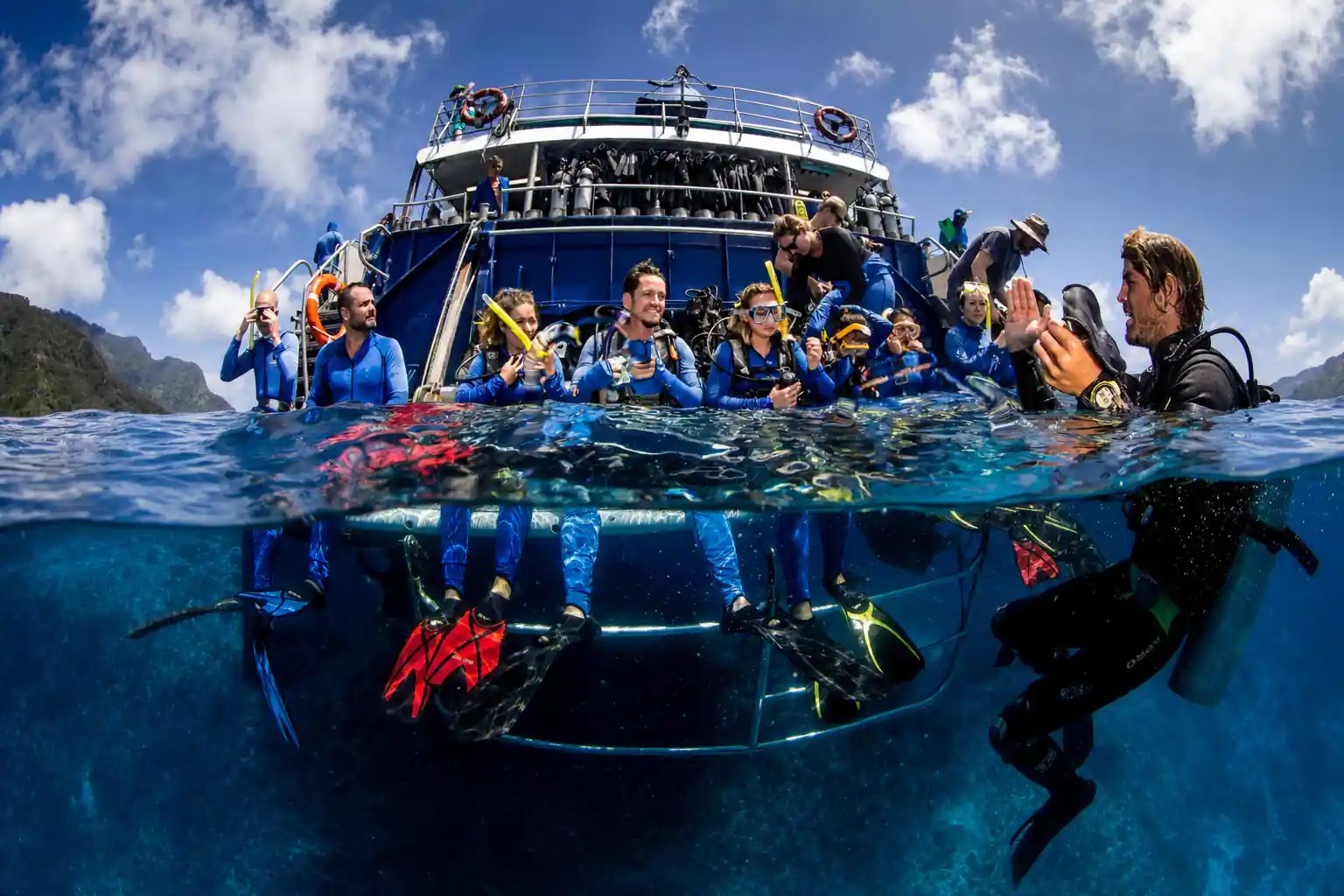
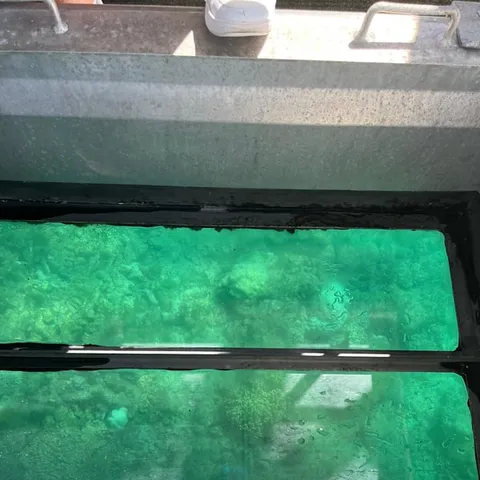
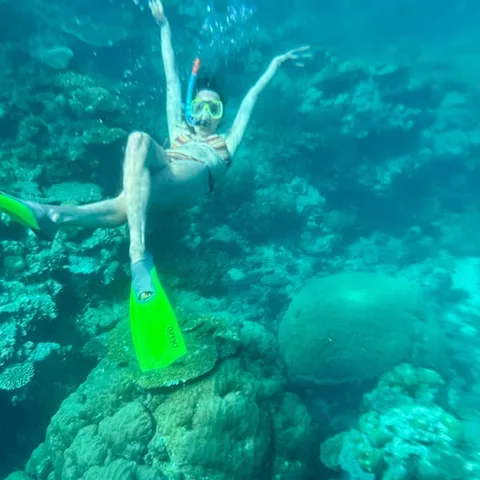
The maximum depth for a Discover Scuba Diving experience is 6 meters (20 feet) for the initial pool session and 12 meters (40 feet) if you do the optional open water dive, but that does not mean you have to go that deep.
A real first dive, no certificate required
Things to check
- No licence needed to try scuba
- From US$196[1]
- Full-day trip on a catamaran
- Reserve now and pay later
Diving With No Licence
You do not need a certificate to go scuba diving on the Great Barrier Reef. The Cairns Best Value All-inclusive Reef Trip With Scuba Dive is a full-day trip built around exactly that idea: an introductory scuba dive led by an English-speaking instructor, priced from US$196.[1] If your plans change, you can reserve now, pay later, and cancel as late as 24 hours before for a full refund.[1] That flexibility matters when you are fitting a reef day into a bigger Queensland itinerary.
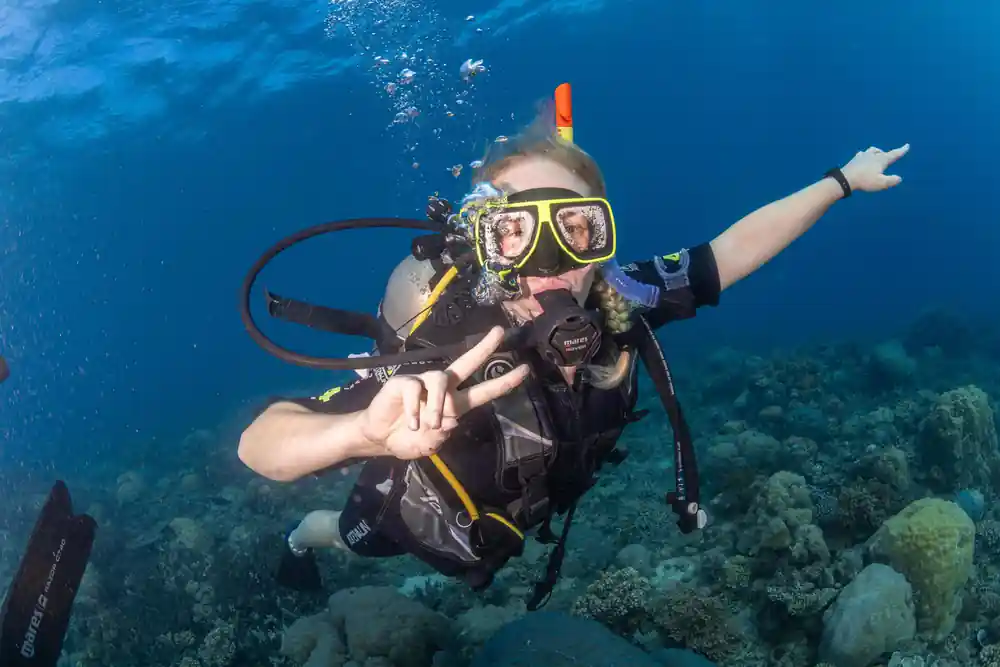
For first-timers, the experience is far gentler than people expect. You are not dropped into deep water and told to get on with it. Under PADI Discover Scuba Diving rules, the maximum depth for the initial pool session is 6 meters (20 feet), and the optional open water dive goes to 12 meters (40 feet) at most.[2] The whole point is to learn slow breathing, neutral buoyancy and the sheer wonder of hovering weightless above coral. Because you dive with an instructor, there is no homework and no theory test; you practise the few essential skills on the spot, then swim through the shallows while the reef does the showing off. You surface grinning, and that is usually when the snorkellers start asking questions.
And what a reef it is. The Great Barrier Reef, comprising some 3,000 individual coral reefs, stretches more than 2,300 kilometres along Australia's northeast coast and is the largest coral reef system in the world.[10] A guided first dive is a small, safe way into that immense world, and it is the reason so many people book a Cairns day trip without ever planning to get certified.
What It Is Not
It is worth being clear about what this experience is not. An introductory scuba dive is not a certification course, and you will not leave with a qualification. The dive limits reflect that: 6 meters (20 feet) for the initial pool session and 12 meters (40 feet) for the optional open water dive.[2] The limits are deliberately conservative, because the day is about tasting the reef, not setting depth records. That honesty is a feature, not a flaw.
It is also not a boat tour with a dive bolted on as an afterthought. The listing name says it all: this is sold as an all-inclusive reef trip with scuba dive, and the route is straightforward, catamaran out to the Great Barrier Reef, time at the reef, then catamaran back to Cairns.[1]
And it is not a marathon. The trip runs for one day, which means you can be back in Cairns in time for a lazy dinner and an early night.[1] If you have seen videos of advanced divers sinking into a blue abyss, adjust the picture; this is a controlled, shallow introduction with an instructor beside you the whole way.
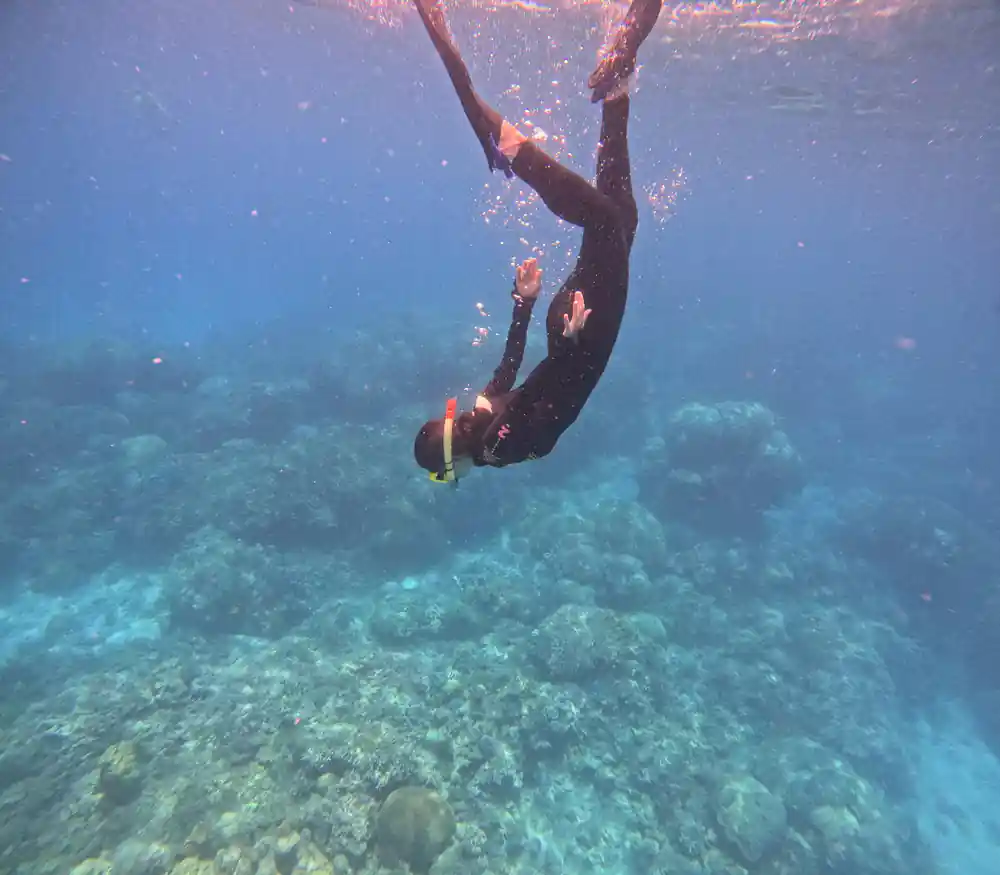
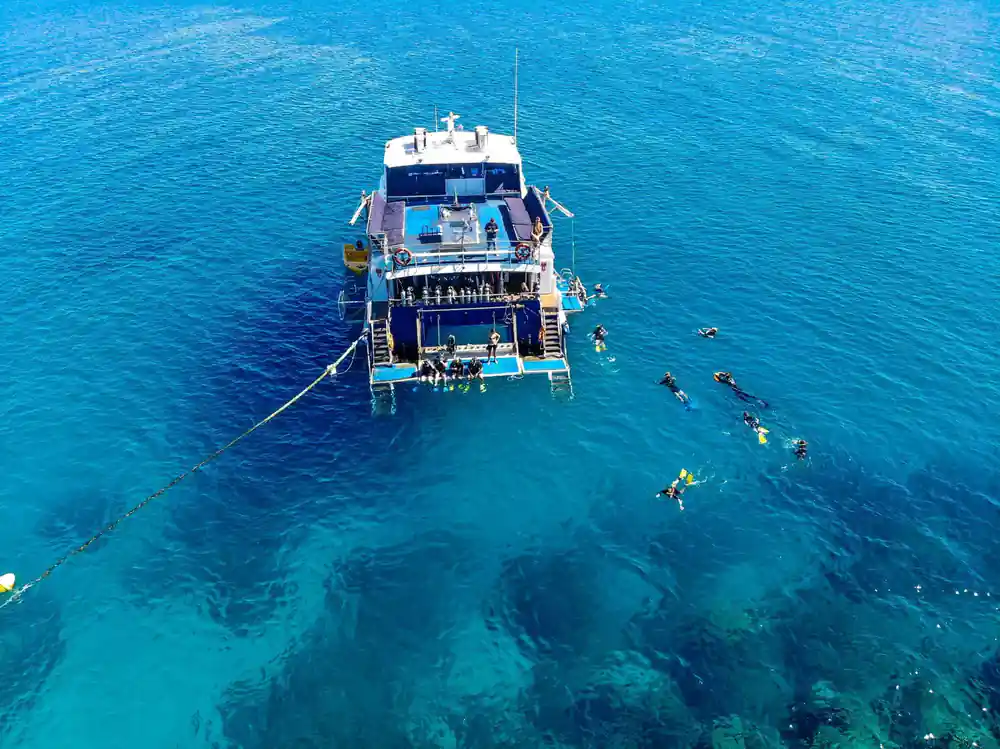
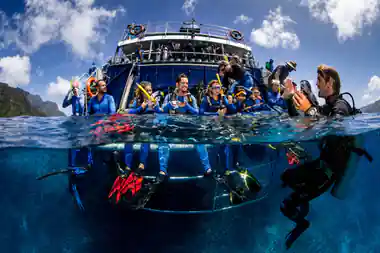
A catamaran at the reef while divers and snorkellers explore the coral.
If You Already Hold Certification
If you already hold a certification, you are not locked out of this trip. The catamaran day is not reserved for beginners; it takes the group out to the Great Barrier Reef and back on a route that suits a mixed boat.[1] Pack your certification card and logbook, and let the crew know your experience level when you check in. They will appreciate knowing where you trained and when you last dived.
Certified divers who want a longer underwater fix have other options in Cairns. A separate 2-day Great Barrier Reef dive and snorkel boat trip is available from US$468, while the 4-day PADI Open Water Course costs from US$662 if you want to take your training to the next level.[11][12]
One practical note: check your own comfort first. If it has been months or years since your last dive, a shallow guided reef day is a gentle way back in. If you are current and confident, you can treat the trip simply as a relaxed day on the water with some easy diving included. If you are travelling with a non-diving partner, the day still works: one of you dives, the other relaxes on the boat and snorkels, and you compare notes over dinner.
No Courses Run on This Boat
Let's say it plainly: no courses run on this boat. The Best Value All-inclusive Reef Trip With Scuba Dive is a one-day experience, not a dive school.[1] Nobody will teach you to become a certified diver between Cairns and the reef. What you get instead is a proper introductory dive, guided and supervised, with the qualification left for another time.
If certification is your real goal, book the separate course and treat this day trip as the appetiser. The 4-day PADI Open Water Course from Cairns is available from US$662 and leads to the real qualification.[12] For everyone else, the all-inclusive reef trip is the honest middle ground: real scuba diving, no exam and no homework. There is no shortcut to a licence, and the reef trip never pretends otherwise.
This distinction matters when you are planning. A holiday day trip and a course serve different purposes, and mixing them up is how people end up disappointed. Decide first whether you want a taste or a ticket; the Cairns listings make both easy to book, but they are different experiences at different price points.
from US$196
Take a guided scuba dive on an all-inclusive Cairns reef day trip, with free cancellation up to 24 hours in advance.[1]
Snorkelling as the Alternative
Snorkelling is how many people first meet the reef, and it needs absolutely no training. On the all-inclusive trip, the catamaran goes out to the Great Barrier Reef, where coral gardens sit close to the surface.[1] With a mask and fins you can watch the same underwater world the divers see, without the tank. The water is warm, the coral is colourful, and the fish are spectacularly curious.
For a lighter option, the half-day Great Barrier Reef snorkelling tour from Cairns costs from US$125 and runs for 4 hours.[13] It suits travellers who want a taste of the reef and a relaxed afternoon afterwards. Snorkelling also makes a great introduction if you are building up courage for a future dive course. Either way, the preparation is identical: swimwear, sun protection and a towel.
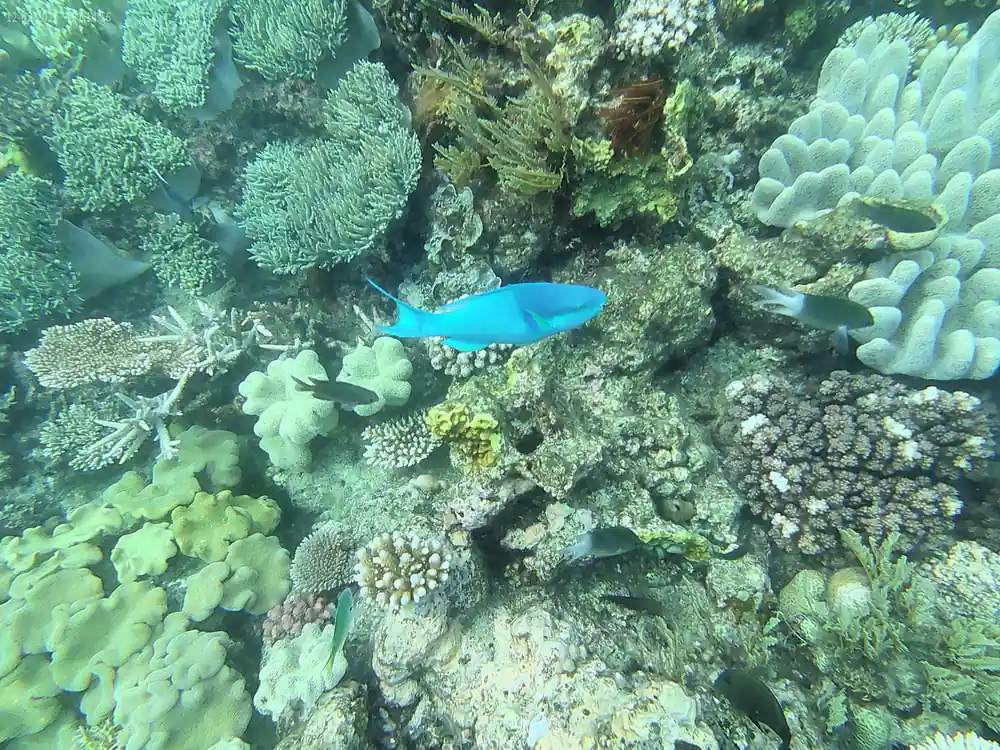
The reef rewards patience. Hover still over a coral bommie and the fish forget you are there; patience and slow movements always get you closer to the action. The coral gardens close to the surface are alive with movement, and the reef gives back whatever you put into watching it.
Age and Health Rules
There are age and health requirements for introductory diving, and the operator will ask about them when you book. Be honest about any condition affecting your ears, sinuses, heart or lungs, and ask questions if you are unsure. Should you need to reconsider, the booking process lets you pay later after reserving now, and cancelling up to 24 hours before gives a full refund.[1] The questions are standard across the industry, and answering them accurately is part of looking after yourself.
The other seasonal health note is the marine stinger season. In tropical Queensland, it typically lasts from November through to May, when dangerous jellyfish present a greater risk.[9] It is not a reason to stay home; it is a reason to listen to the crew and follow their advice on the day. Crews deal with stingers every season and brief passengers clearly on what to do.
Jet lag and fatigue count too. A good night's sleep before your dive day makes the experience noticeably more enjoyable, and the early start is easier if you have packed the night before. If you feel unwell on the morning of the trip, say so; a reef trip will still be there tomorrow.
What to Bring, What to Expect
Packing is simple: swimwear goes under a wetsuit, and you need a towel, sunscreen, a light layer for deck breezes, and a hat. Sunglasses and a strap are worth bringing, because the tropical sun is strong. Expect a proper day out. Passengers on Cairns reef boats register at the Reef Fleet Terminal on 1 Spence Street[7], then a modern catamaran carries them to an Outer Reef pontoon located 47 km offshore.[3]
During summer (December-February) the reef's average water temperature reaches 29°C, while in winter (June-August) it is 24°C.[14] For Cairns, the dry season lasts from around May to October; the wet season, from about December to March, is when the monsoon trough brings possible thunderstorms and warm, humid conditions.[8] There is also a Reef Environmental Management Charge of $8.50 per day for a full-day passenger.[15] If you are visiting in the wet season, expect short, heavy showers and plan for them with a dry bag.
Finally, think about your flight home. The recommended minimum preflight surface interval before flying after a single no-decompression dive is 12 hours.[4] A full day on the reef followed by a night in Cairns fits that limit comfortably, and leaves you time to watch the sunset over the harbour. If you are flying the same evening, check the timing carefully before you book.
GetYourGuide ratings compared
Compare from-prices for reef trips
From-prices in USD:[1],[5],[6].
When to plan your reef day
Your reef day step by step
Choose your trip
Pick the Cairns Best Value All-inclusive Reef Trip With Scuba Dive, from US$196.[1]
Book flexibly
Make a reservation now and pay later; you can cancel for free up to 24 hours ahead.[1]
Meet in Cairns
Registration takes place at the Reef Fleet Terminal, located at 1 Spence Street in Cairns.[7]
Ride to the reef
The catamaran sails out to an Outer Reef pontoon positioned 47 km offshore.[3]
Dive with your instructor
Dive under your English-speaking instructor, within introductory limits of 6 meters and 12 meters.[2]
Plan your flight home
After a single no-decompression dive, wait at least 12 hours before flying.[4]
Ready to try Great Barrier Reef diving without certification?
from US$197Reserve now & pay later