The essentials
- You learn basic scuba skills with an instructor, then try an optional open water dive to 12 meters (40 feet).[1]
- The all-inclusive Cairns reef trip with scuba dive starts from US$196 and runs as a 1 day trip.[2]
- Your pool session stays within 6 meters (20 feet) before a guided open water dive.[1]
- The Moore Reef pontoon stands on the Outer Reef, 47 km offshore.[3]
- From May to October, the dry season delivers sunny weather, little humidity, and warm pleasant days.[4]
- Top choice Best Value Reef Trip from US$196 Rating4.51[2]Duration1 day[2]CancellationFree up to 24 hours[2] Check availability
- Outer Reef & Coral Cay from US$202 Rating4.81[5]Duration8.5 hours - 1 day[5]CancellationFree up to 24 hours[5] See this tour
- Premium Snorkel & Dive from US$179 Rating4.70[6]Duration9 hours[6]CancellationFree up to 24 hours[6] See this tour
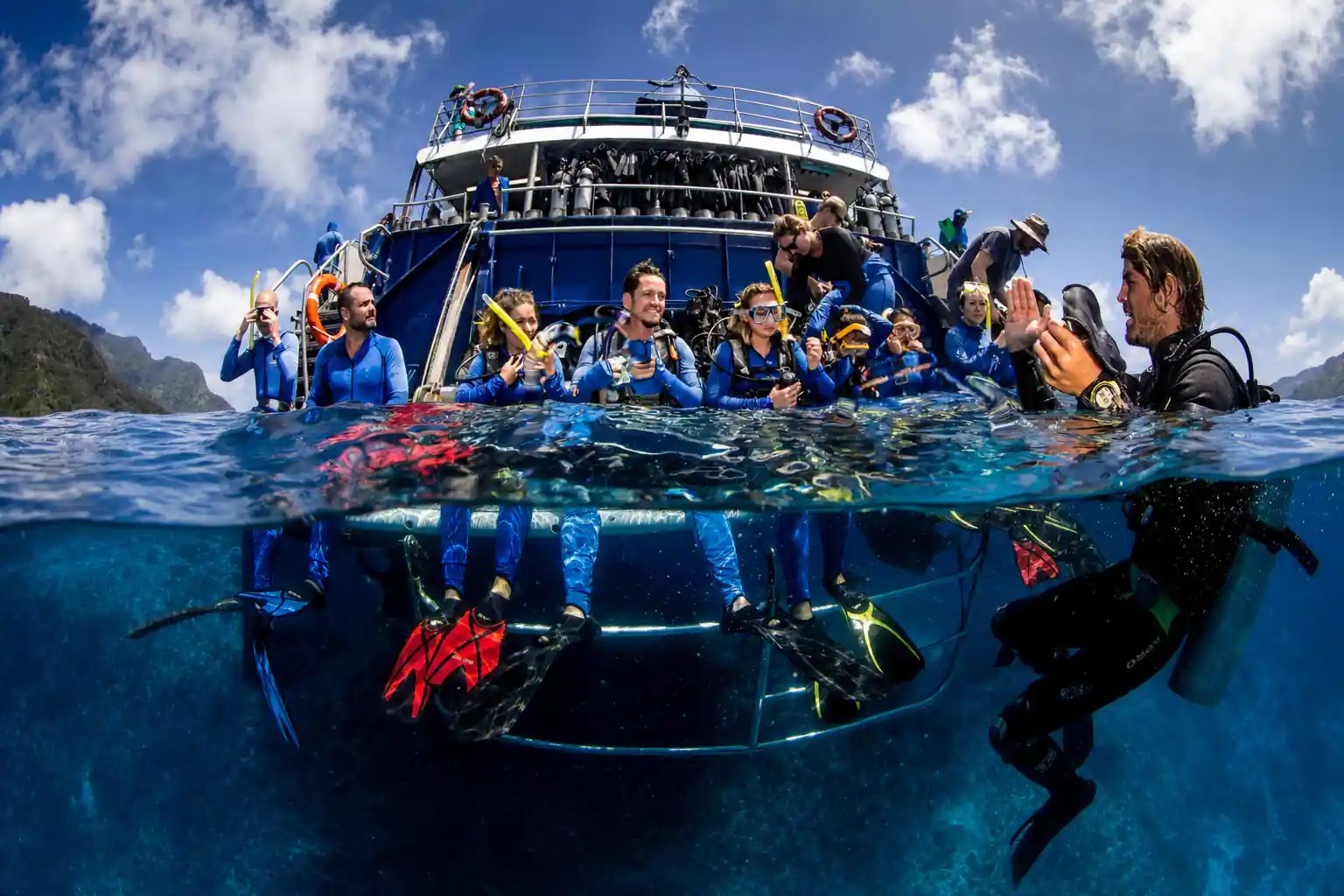
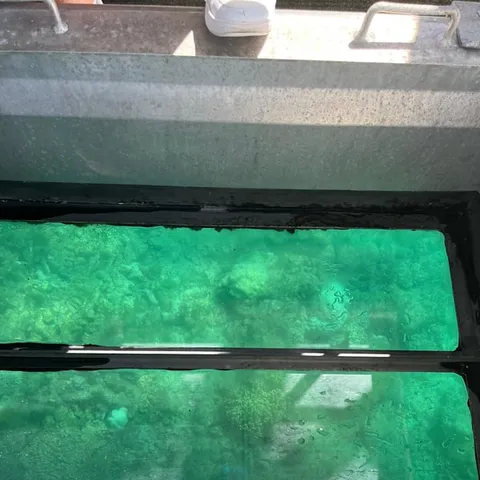
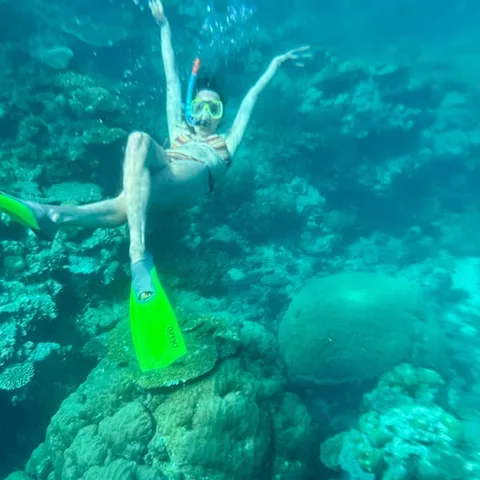
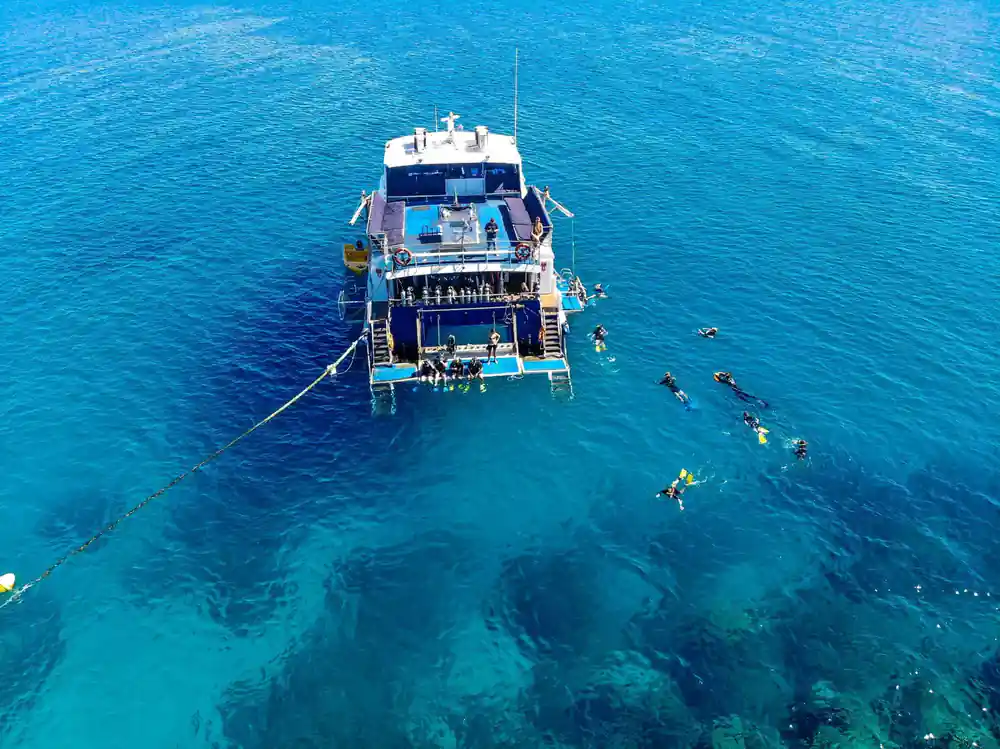
Sunlover’s Moore Reef pontoon sits 47 km offshore on the Outer Reef
The verdict: an intro dive is the best first step
Things to check
What an introductory dive actually is
An introductory dive is a first scuba session led by an instructor, with no certification required. The idea is simple: learn a few core skills, stay close to your instructor, and let the reef do the rest. The featured Cairns outing, Best Value All-inclusive Reef Trip With Scuba Dive, is a 1 day catamaran journey to the Great Barrier Reef accompanied by an English-speaking instructor.[2] You practise the basics, then explore the reef with your instructor right beside you.
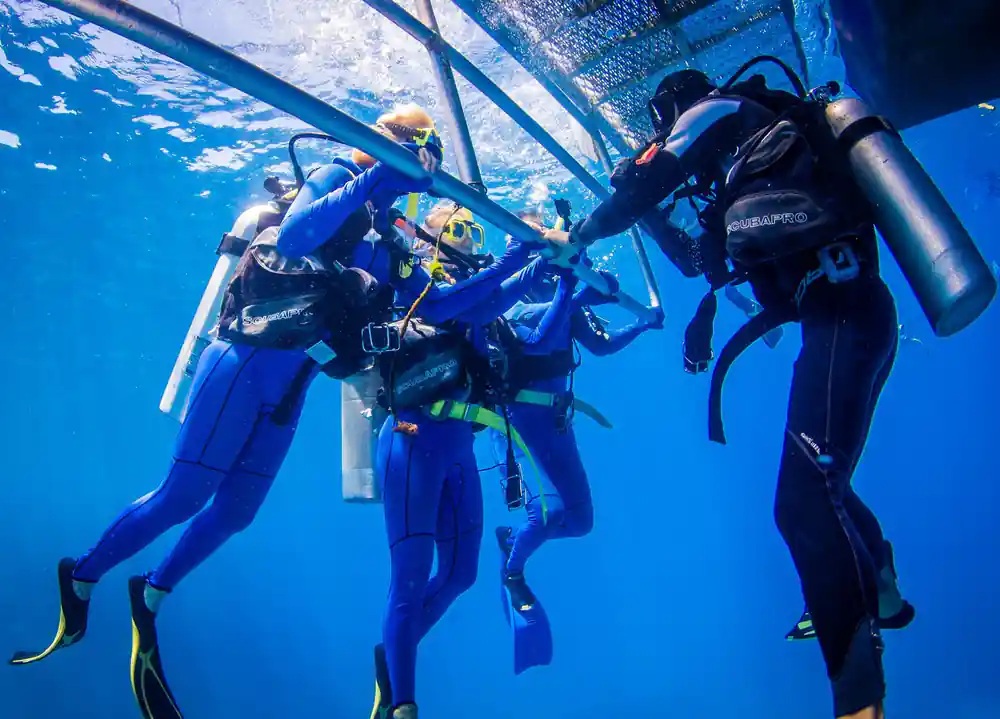
Your first practice happens in shallow, confined water where the maximum depth is 6 meters (20 feet). If you feel ready, the optional open water dive takes you to a maximum of 12 meters (40 feet).[1] That is shallow by diving standards, but deep enough for the reef to show off its colour and for you to feel properly underwater. Listen to your instructor, trust the training, and the rest follows.
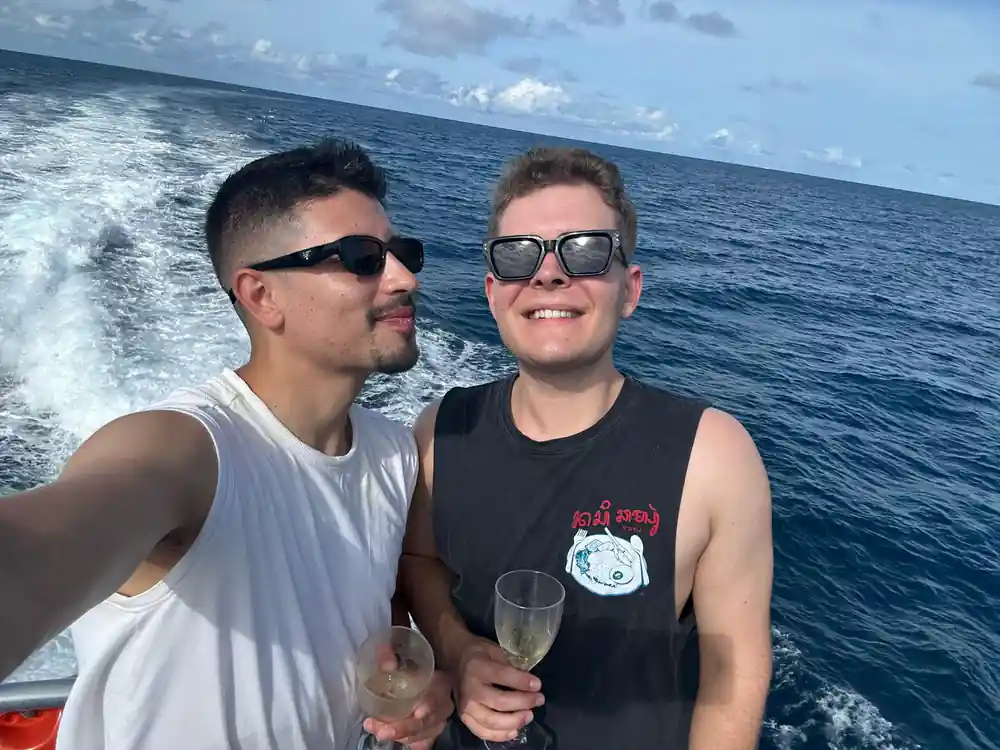
The day is as much about the boat ride as the dive. Your full-day trip includes the crossing from Cairns, while the Moore Reef pontoon stands 47 km out on the Outer Reef.[3] Expect the trip to take a full day: the crossing, time on the reef, your dive, lunch, and a relaxed voyage back to Cairns. The ride gives you time to watch the coastline fade and the water change from harbour green to open-ocean blue. This reef belongs to a system that runs more than 2,300 kilometres along Australia's northeast coast and includes roughly 3,000 separate coral reefs.[9]
Who can do an intro dive, and who cannot
Anyone who is comfortable in the water and in reasonable health can usually join. You do not need experience, a dive card, or special fitness. Be honest on the medical form and tell the crew about any conditions that might affect you underwater. If you wear prescription glasses, ask about mask options before booking. Even a short swim in a pool will build confidence before your reef day.
The limits keep the experience within safe reach. Confined-water practice stays at 6 meters (20 feet), and the optional open water dive has a maximum depth of 12 meters (40 feet).[1] If you have never snorkelled, spend some time swimming beforehand so the sensation of open water feels familiar. If you are nervous, tell your instructor. They have guided many first-timers and will set a pace that feels right.
Think about your travel plans too. Divers are advised to wait at least 12 hours after a single no-decompression dive before flying.[10] If you are only in Cairns for a few days, book your reef day early and leave a relaxed day before your flight.
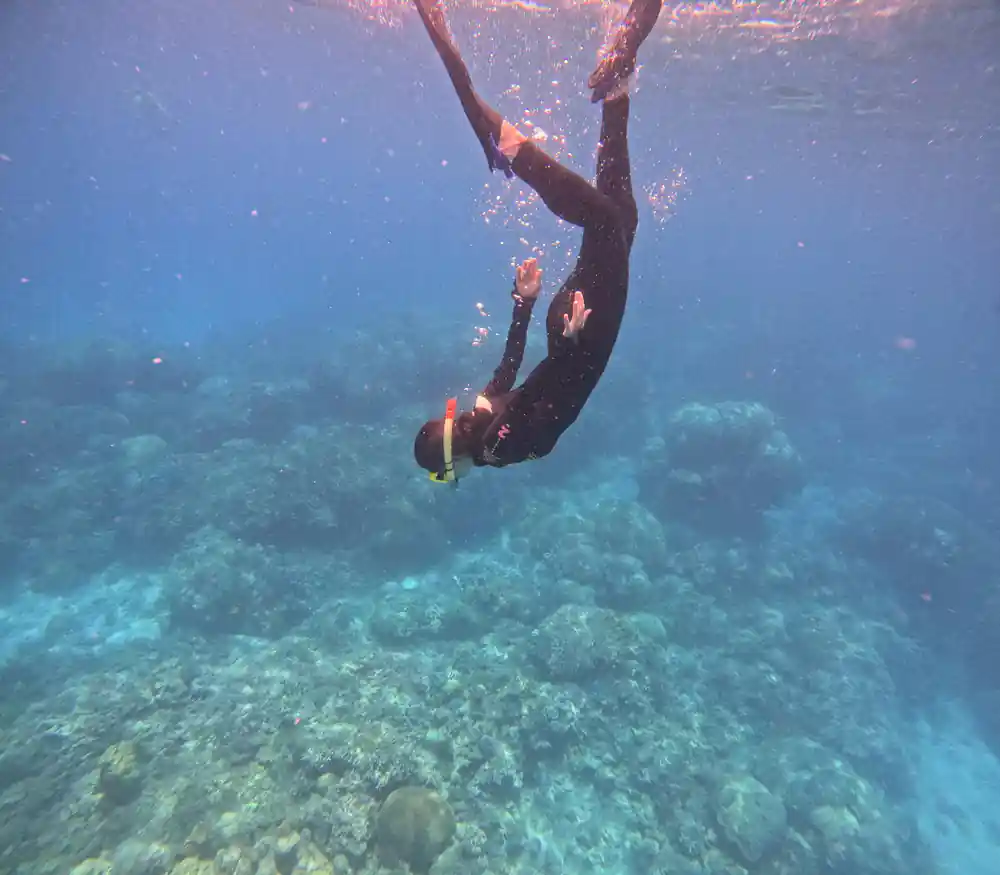
A day on the reef: the dive platform, the lagoon, and the catamaran ride home.
Getting ready before you go under
A little preparation goes a long way. Cairns reef boats leave from the Reef Fleet Terminal, 1 Spence Street, so get there early to check in, locate your vessel, and calm any nerves.[11] Pack swimwear, a towel, sunscreen, and a light layer for the ride home. If you are prone to seasickness, take medication before you board rather than waiting. A rash vest or thin wetsuit is worth wearing even in warm months, as it protects your skin from the sun.
Pick your season and you will enjoy the reef at its best. From May to October, the dry season gives sunny conditions, low humidity, and warm comfortable days well suited to Great Barrier Reef exploration.[4] The wet season is roughly December to March, with warm, humid air and the possibility of thunderstorms or tropical cyclones.[4]
Around Cairns, summer reef water temperatures from December to February average 29°C, and winter temperatures from June to August average 24°C.[8] A light long-sleeved lycra suit is also useful on overcast days, because the sun reflects off the water even when the sky is grey. In tropical Queensland, marine stinger season generally lasts November through May; when it is active, the danger from harmful jellyfish increases, so wear the stinger suit or wetsuit supplied by the crew.[12] Ask the crew about water conditions on the day, as they know the sea best.
Breathing underwater for the first time
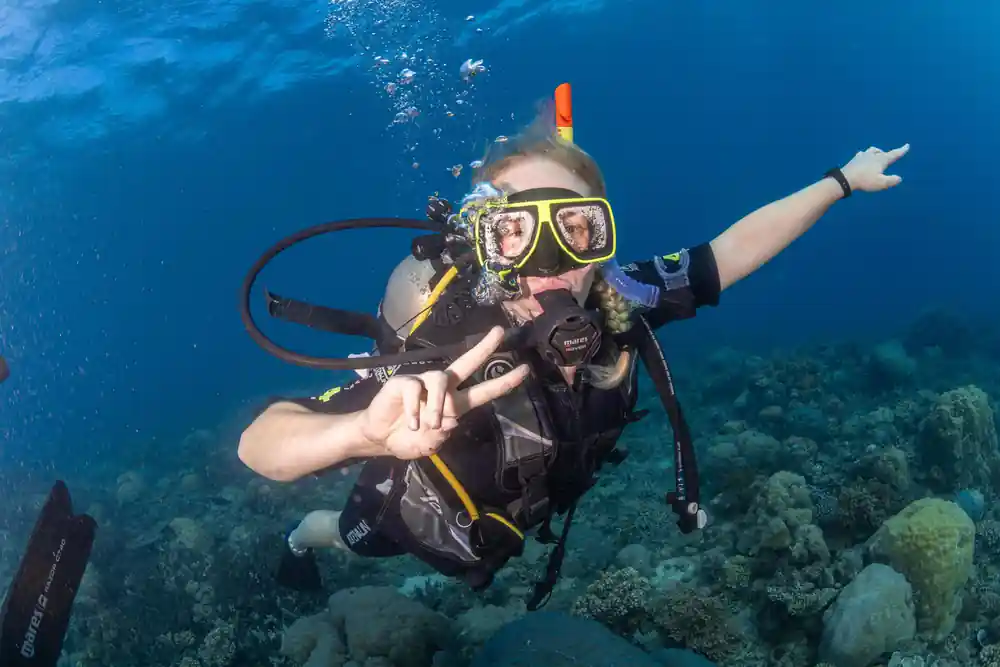
The first breath underwater is the moment most people remember. You may feel a little awkward at first, then surprisingly calm once you realise the regulator delivers air on every inhale. Your instructor will guide you through clearing a mask, recovering the regulator, equalising your ears, and moving with slow fin kicks. Many first-timers find the hardest part is remembering to breathe normally, so slow, even breaths help from the very first minute. Practising in a pool before your trip can make the real thing feel familiar.
Keep your movements gentle and your breathing slow. The skills you practise in shallow water prepare you for the optional open water dive, which goes to a maximum of 12 meters (40 feet).[1] At that depth the reef is vivid, the fish are curious, and your instructor stays close by. You will probably be too busy looking at the coral to worry about technique.
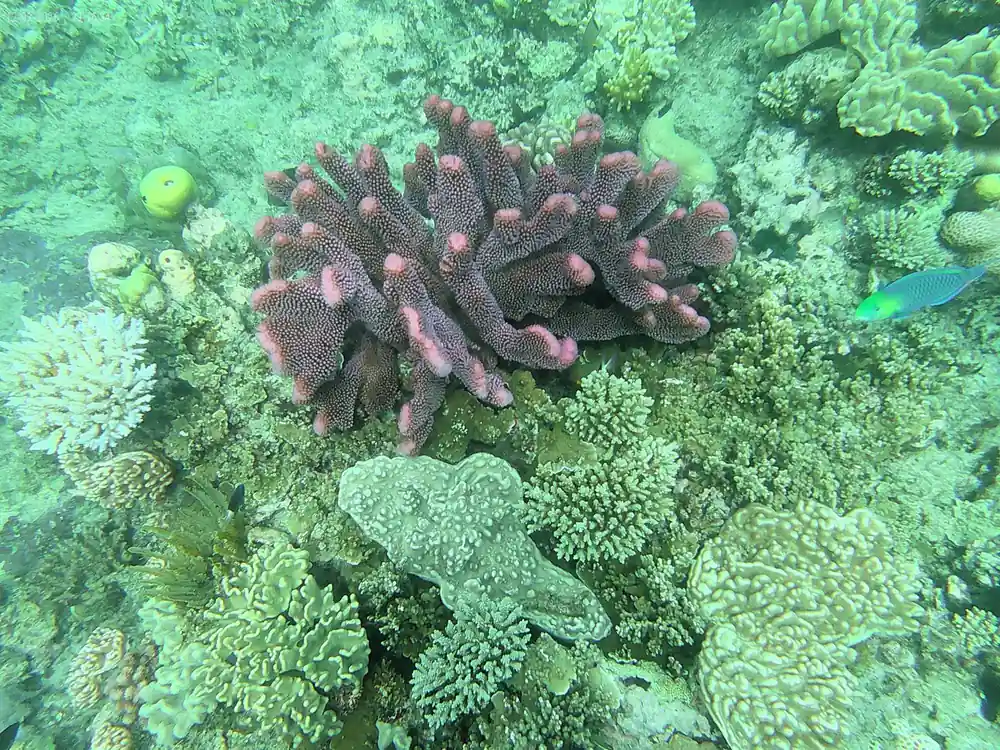
The reef life adds to the thrill. The Great Barrier Reef is home to over 1,600 species of fish, and lucky divers may also catch a glimpse of a reef shark gliding past.[13] They are usually shy and keep their distance, so enjoy the sighting and keep your hands to yourself.
from US$196
The featured Cairns reef trip starts from US$196 and is a 1 day trip with an English-speaking instructor.[2]
Why you may want to skip the camera on your first dive
It can be disappointing to leave a camera or phone on the boat, but it is wise to do so. During your first dive your hands are busy: checking your air gauge, clearing your mask, equalising your ears, and staying with your instructor. A camera turns simple skills into a distraction and can make an unusual environment harder to enjoy. There will be plenty of chances to photograph the reef on future dives.
On your first day, focus on breathing, buoyancy, and being present in the water. Once you are certified and comfortable, you can return with a camera and capture all the colour. On later trips, consider renting a dedicated underwater camera so your hands stay free.
If you are already a certified diver
Certified divers do not need an introductory lesson, but the tour options remain excellent. A two-day Great Barrier Reef dive and snorkel boat trip from Cairns starts from US$468 and keeps groups small, limited to 12 participants.[14] The extra time on board means more dives and a deeper sense of the reef.
For a longer underwater adventure, a 4-day PADI Open Water Course from Cairns starts from US$662 and is limited to 10 participants.[15] This is a full certification path rather than a single day on the reef, and it suits travellers who want to turn a holiday into a new skill.
If you are certified and short on time, a Cairns snorkelling and diving reef day trip starts from US$179.[16] Liveaboards and multi-day trips let you spread out the diving and still leave time to enjoy the boat and the crew. Whichever trip you choose, plan your diving so you meet the recommended surface interval before flying.
Choosing your intro dive trip from Cairns
The featured trip is the Cairns Best Value All-inclusive Reef Trip With Scuba Dive, from US$196, rated 4.51 from 456 reviews.[2] It is a 1 day trip with an English-speaking instructor and visits the Great Barrier Reef by catamaran.[2] Booking now is possible with payment later; cancellations made at least 24 hours ahead receive a complete refund.[2]
Other Cairns options are worth comparing. The snorkel and dive cruise to the coral cay and outer reef starts at US$202 and is rated 4.81 from 1,592 reviews.[5] The premium snorkel, dive and culture day starts from US$179 and is rated 4.70 from 878 reviews.[6] If you only have a half day, a half-day snorkelling tour from Cairns starts from US$125.[17] These all run from Cairns, so transfer times stay short.
When budgeting, don't forget the environmental management charge: the Great Barrier Reef Environmental Management Charge comes to $8.50 per day for a full-day passenger.[7] Some operators add the charge to the advertised price, while others collect it at check-in; asking before you book keeps the day simple. Check whether your chosen operator already includes it in the price so there are no surprises at the desk.
Traveller ratings side by side
Reef trip price calculator
When to plan your reef day
Plan your intro dive day
Book your trip
Book now, pay later; you can cancel free up to 24 hours before the trip and receive a full refund.[2]
Head to the terminal
From Cairns, reef boats leave the Reef Fleet Terminal, located at 1 Spence Street.[11]
Ride to the reef
The Moore Reef pontoon stands on the Outer Reef, 47 km offshore.[3]
Learn the basics
Practise skills within 6 meters (20 feet), then try an optional open water dive to 12 meters (40 feet).[1]
After the dive
Wait at least 12 hours after a single no-decompression dive.[10]
Ready for your first dive on the Great Barrier Reef?
from US$197Reserve now & pay later