The essentials
- The Great Barrier Reef runs more than 2,300 kilometres and comprises some 3,000 individual coral reefs.[1]
- Boats depart from 1 Spence Street, Cairns, at the Reef Fleet Terminal,[2] while the Moore Reef pontoon is anchored 47 km out on the Outer Reef.[3]
- Marine stingers may be present all year, with higher risk from November through to May, so wear a stinger suit.[4]
- First-time scuba has clear depth limits: 6 meters (20 feet) in confined water and 12 meters (40 feet) for an optional open water dive.[5]
- Wait at least 12 hours after a single no-decompression dive before flying, and follow the operator's advice for multiple dives.[6]
- Top choice Best Value Reef Trip from US$196 Duration1 day[7]Rating4.51 from 456 reviews[7]CancellationFree cancellation up to 24 hours[7]HighlightsCatamaran to two reef stops[7] Check availability
- Outer and Coral Cay Cruise from US$202 Duration8.5 hours - 1 day[8]Rating4.81 from 1,592 reviews[8]CancellationFree cancellation up to 24 hours[8]HighlightsOuter reef and coral cay cruise[8] See this tour
- Reef Snorkel and Culture from US$179 Duration9 hours[9]Rating4.70 from 878 reviews[9]CancellationFree cancellation up to 24 hours[9]HighlightsPremium snorkel, dive and culture[9] See this tour
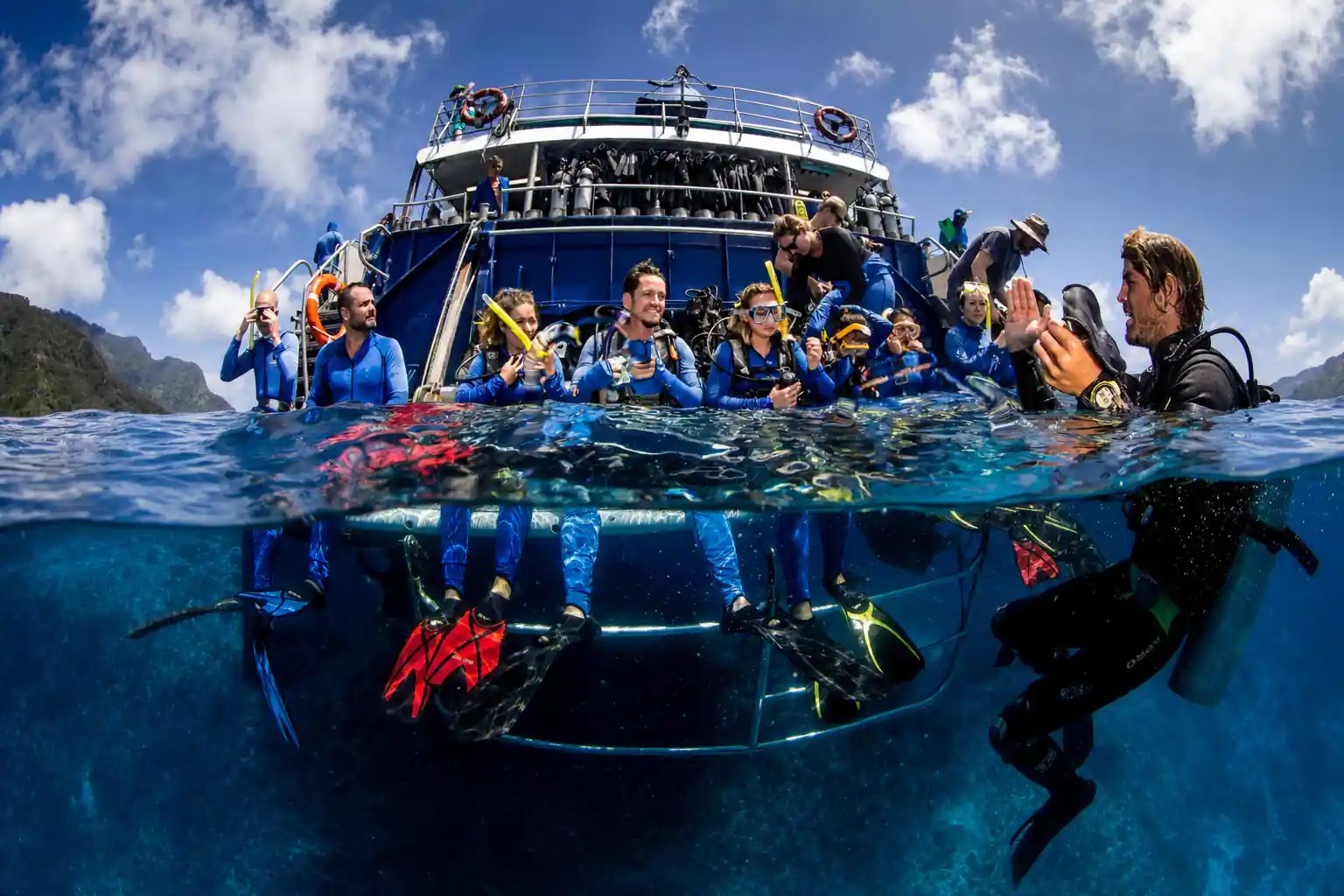
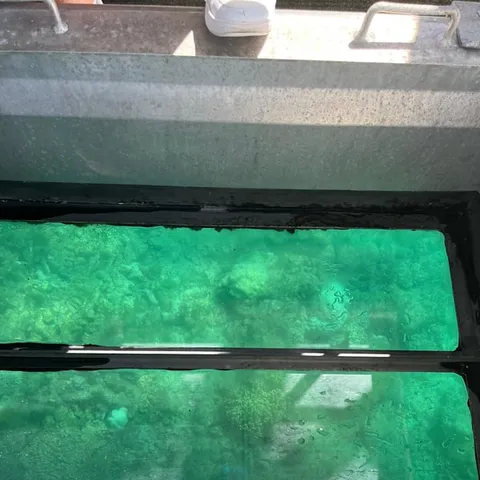
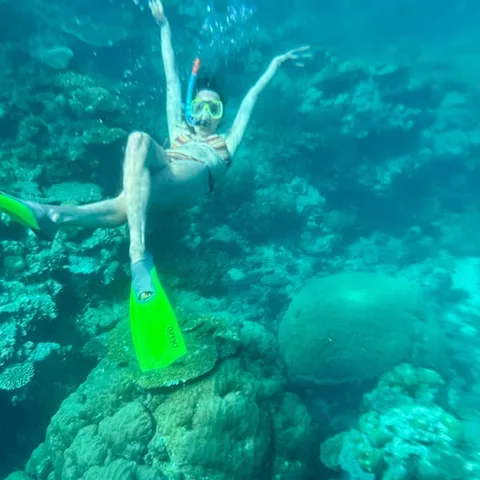
While marine stingers may be present throughout the entire year in tropical Queensland, the risk associated with these two types of potentially dangerous jellyfish are higher during the ‘marine stinger season’ that typically runs from November through to May.
The Bottom Line on Reef Safety
Before your trip
Is It Safe to Dive in the Great Barrier Reef?
Some 3,000 individual coral reefs form this living system, the Great Barrier Reef, which stretches along Australia's northeast coast for more than 2,300 kilometres and counts as one of the planet's great natural wonders.[1] For most travellers, a day on the reef is safe, rewarding and easier than you might expect. The key is to choose a trip with a clear routine, listen to the crew, and give yourself time to get comfortable in the water. Many people who arrive nervous are smiling by lunchtime, and the crew has seen every level of confidence before yours.
The day trip we recommend from this site, the Cairns Best Value All-inclusive Reef Trip With Scuba Dive, is a strong starting point. It costs from US$196, lasts 1 day, and has an English-speaking instructor.[7] You can reserve now and pay later, and cancel for a full refund up to 24 hours in advance.[7] That flexibility takes the pressure off, so you can decide closer to the day.
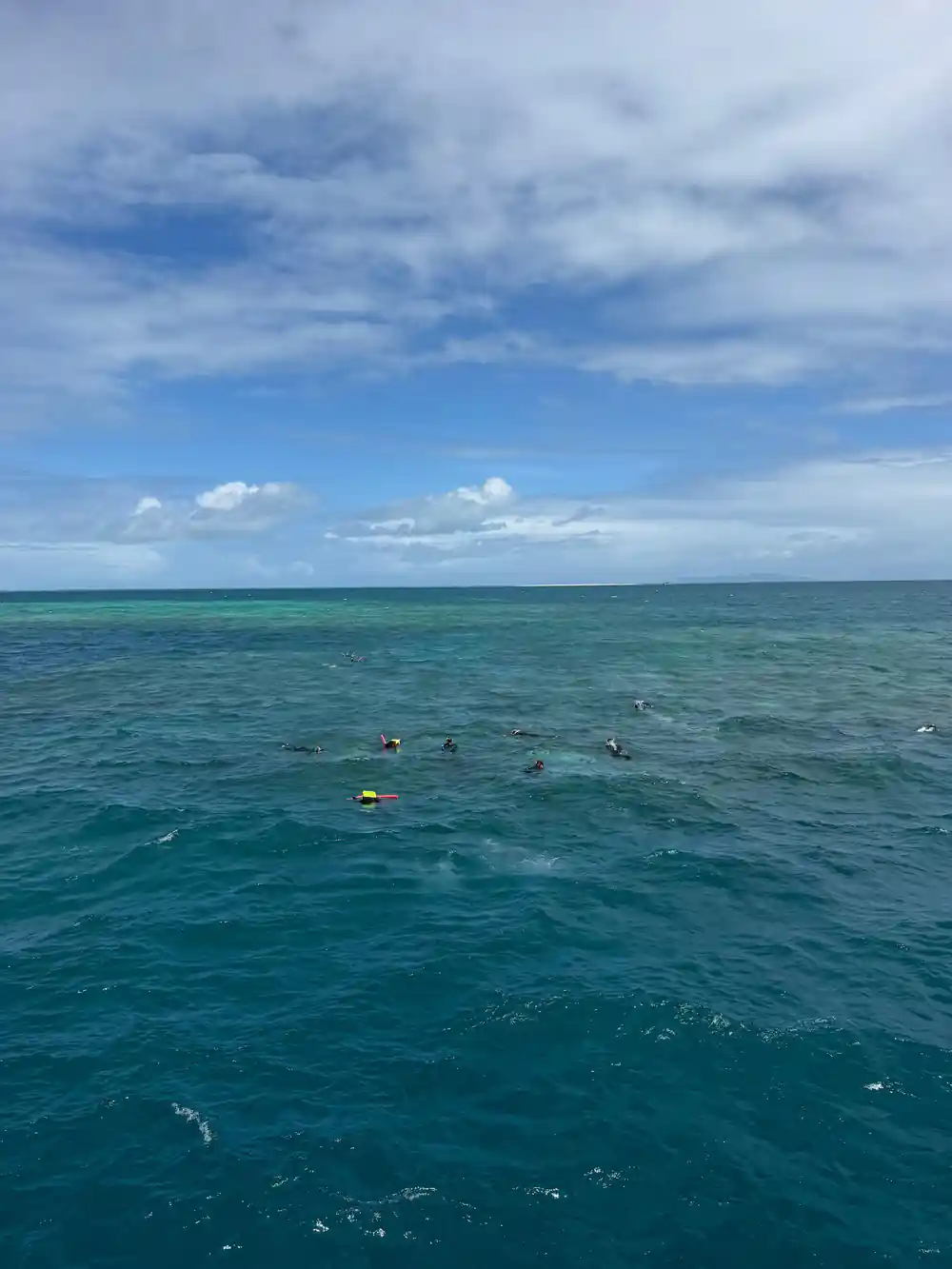
The scale can feel overwhelming. Although the reef runs more than 2,300 kilometres and has some 3,000 coral reefs, most day boats only visit a compact, well-managed area that is easy to explore.[1] Departures are from the Reef Fleet Terminal, located at 1 Spence Street.[2] The Moore Reef pontoon stands on the Outer Reef, 47 km offshore.[3] You do not need to see all of the reef in one day, and the crew will help you make the most of the part you do visit.
Before You Get In the Water
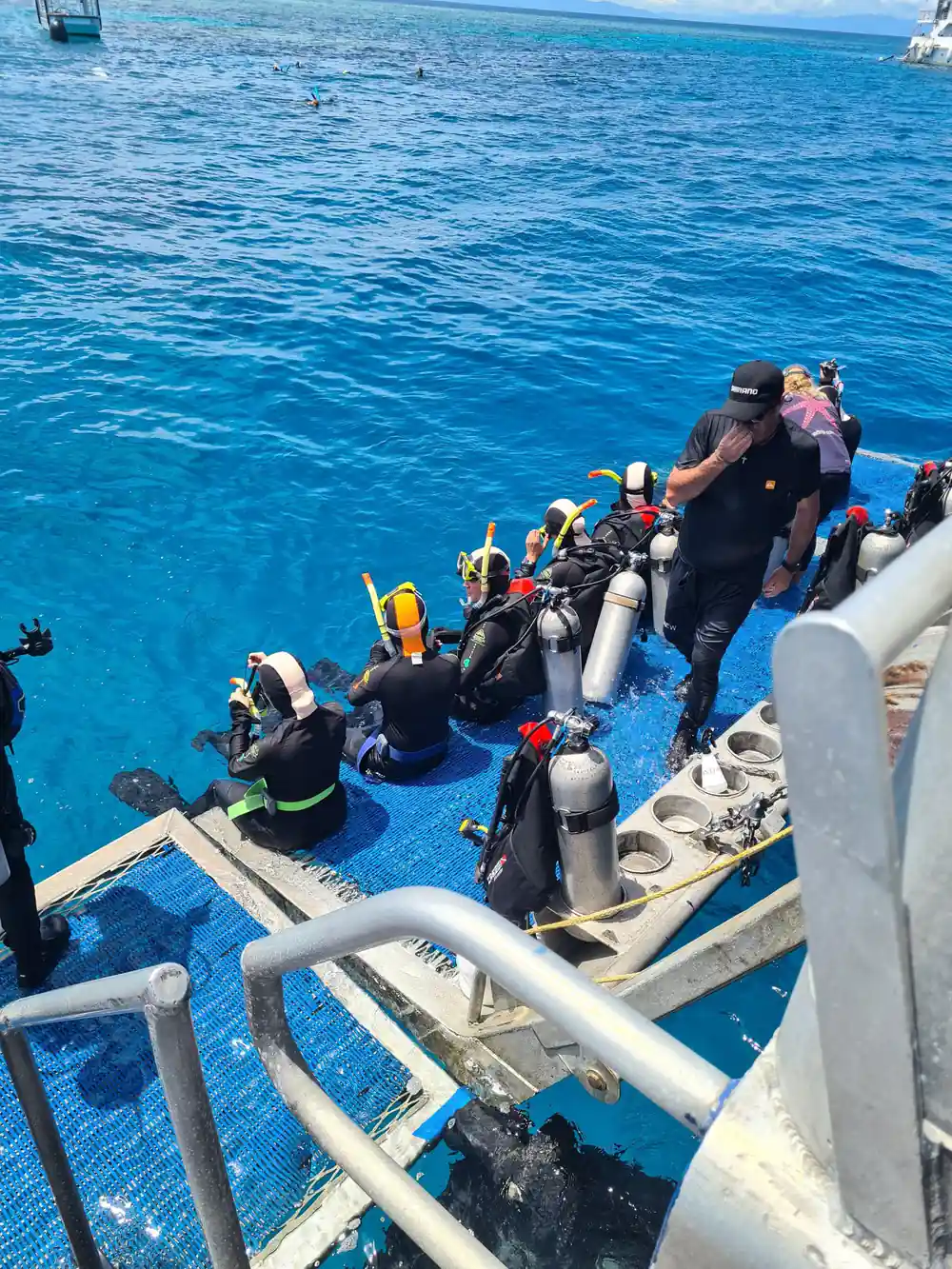
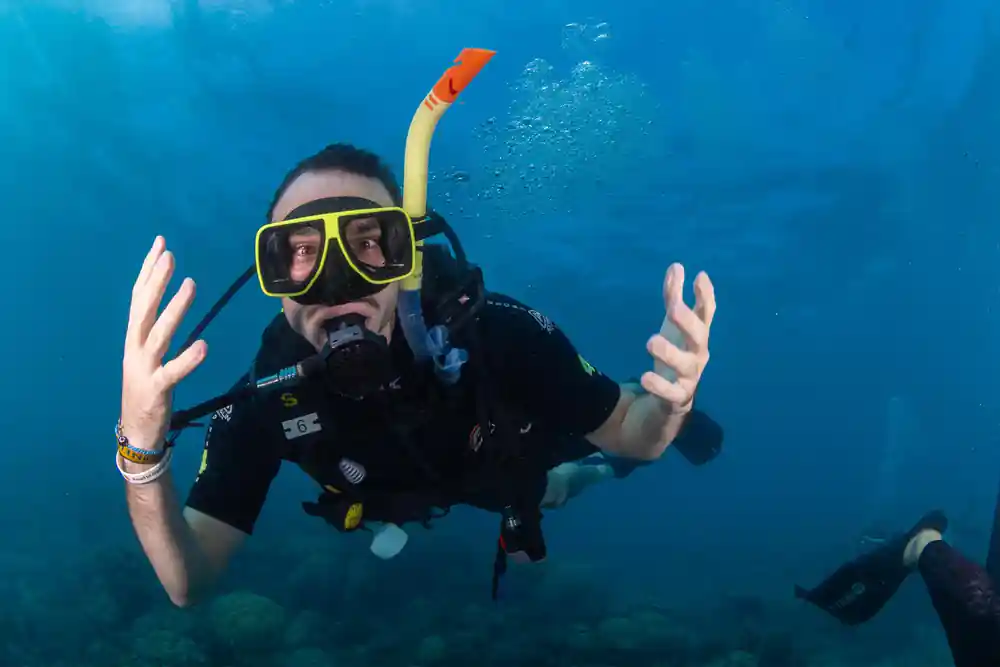
The single most important safety step is being honest about your health and swimming ability. If you have any doubts, see a doctor before you book. Ask the operator about any medical questionnaire before you travel, because being upfront is normal and expected. For first-time scuba, the Discover Scuba Diving experience has clear depth limits: 6 meters (20 feet) in confined water and 12 meters (40 feet) for the optional open water dive.[5] You do not have to go deep to see the reef.
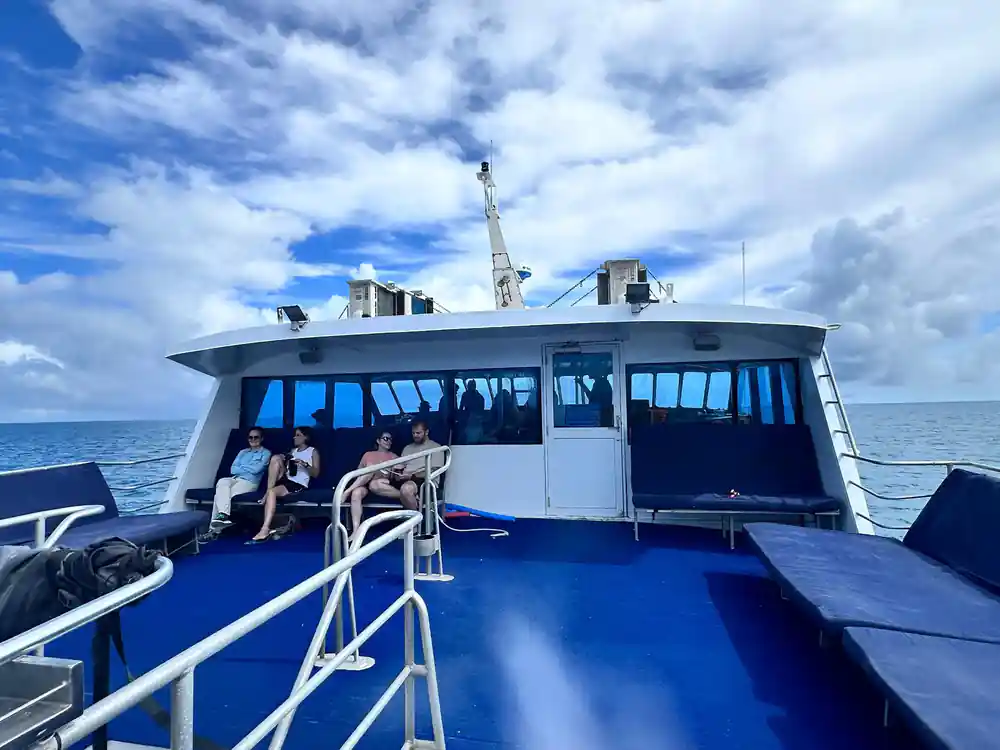
On the boat, the crew will fit you with a mask, snorkel, fins and, in stinger season, a protective suit. In winter the reef water averages 24°C; in summer it averages 29°C.[10] A thin wetsuit or lycra suit helps you stay warm and protected from the sun and small jellyfish. Listen to the crew's advice about the suit and your gear, because a good fit makes a long day much more comfortable.
If you have never snorkelled before, practice in a pool before your trip. Then on the day, use the mask and snorkel provided, and ask the crew to adjust the fit. The better you can breathe through the snorkel, the more you will enjoy a full day on the water. Take a few slow breaths in the water before swimming off; snorkelling is calm and quiet once you relax.
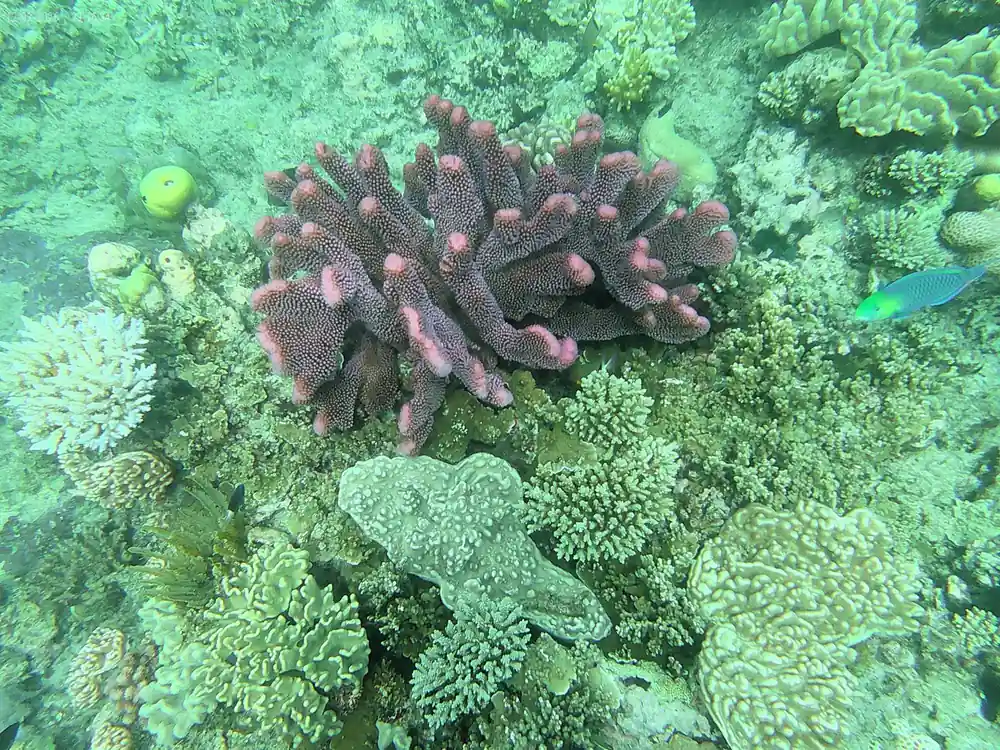
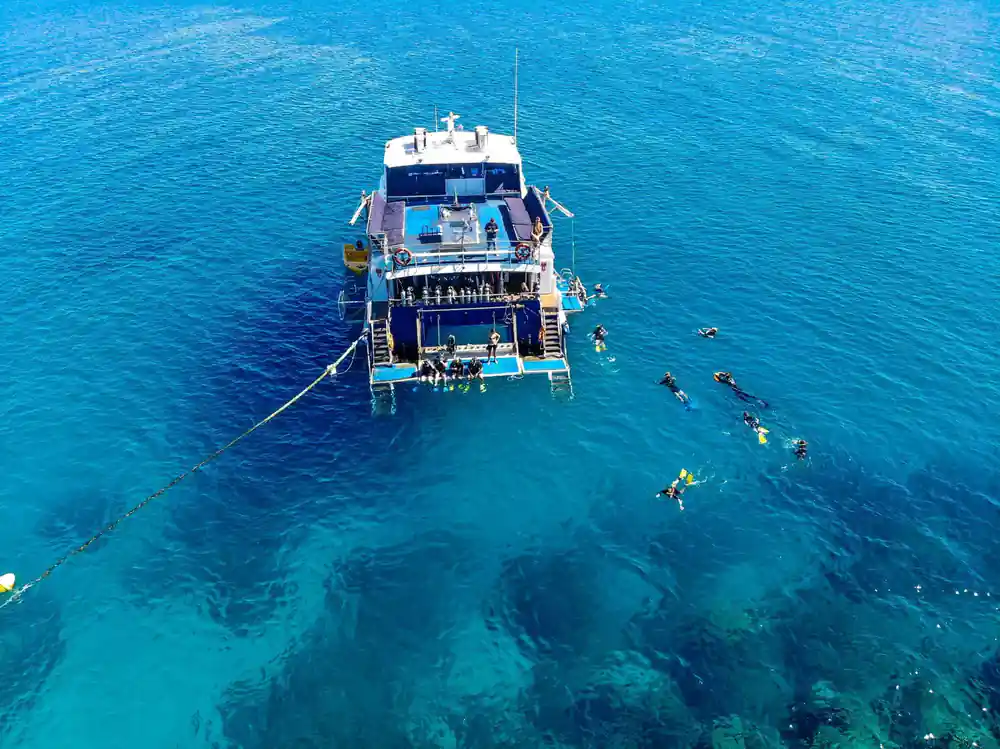
A stable reef platform makes it easy to get in and out of the water.
The Discomforts That Are Actually Common
The things that catch people out are rarely dangerous. Seasickness is the most common. Heading to the outer reef, you arrive at a stable pontoon anchored 47 km out in the Outer Reef.[3] If you are prone to motion sickness, take your preferred remedy before boarding, not after. A small dose of seasickness medicine can be taken before boarding if you know you are sensitive.
The all-inclusive trip is a full day out on the water.[7] That is a long time for little ones or for anyone who has not slept well. You may feel tired legs after a morning of snorkelling, and your ears may need time to equalise on a dive. None of this means the experience is unsafe; it simply means you should pace yourself and stay hydrated. Your body is doing something new, so tiredness and cool muscles are normal. Give yourself time to warm up between snorkels.
It also helps to eat a light breakfast, bring water, and avoid alcohol before the boat ride. A dry bag keeps your phone and camera safe, and a warm layer is useful for the return crossing. The crew will tell you where to sit if you feel queasy. Sitting near the middle of the boat tends to reduce motion, and facing forward helps.
Coral Is Not a Handhold
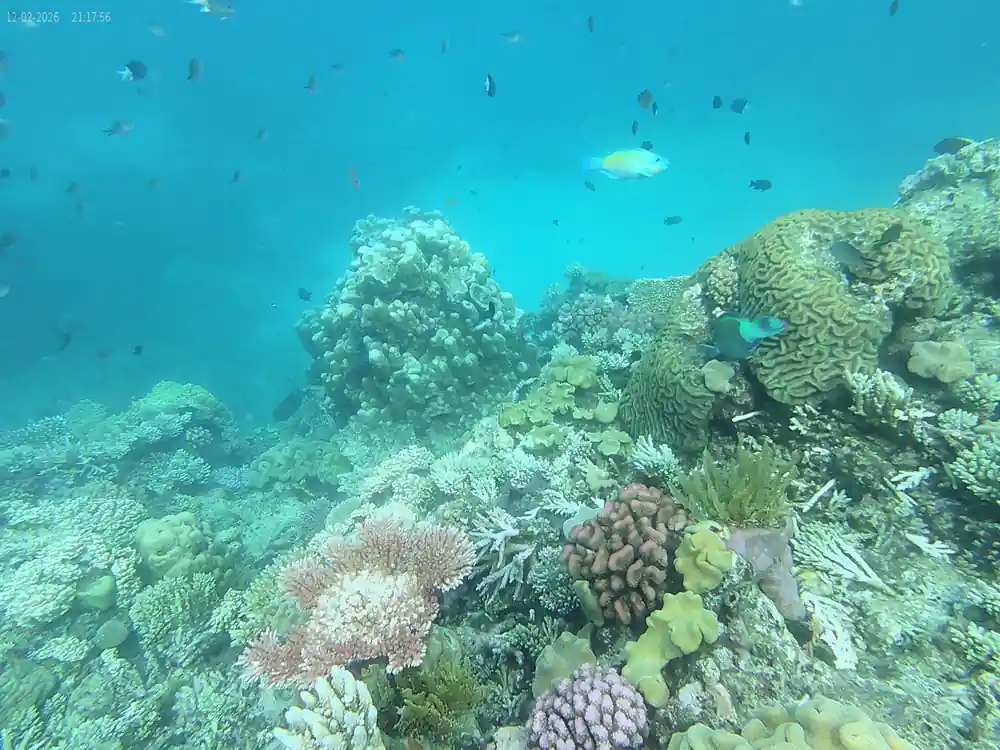
Coral is alive and surprisingly fragile. Touching it with your hands, knees or fins can damage the reef for everyone. Even a light touch can break delicate branches that took years to grow. On the northern Great Barrier Reef, hard coral cover increased from 30.0% in 2025 to 35.1% in 2026.[12] Protecting those gains means keeping hands and fins off the coral.
Maintain good buoyancy if you are scuba diving, keep fins clear of the bottom, and when snorkelling avoid standing on shallow coral. A drift over a coral garden is far better than a rest on it. The crew can tell you which sites are best for beginners. If you need to rest, float on your back or hold onto the boat's inflatable line where available.
A well-run boat stays on a mooring rather than an anchor, and you will notice how carefully the crew protect the reef. When you need to equalise or adjust your gear, use a sandy patch or a gap instead of holding a coral head. Respecting the reef is part of the safety culture aboard. The crew will remind you, and gentle reminders are part of a well-run reef day.
from US$196
From US$196, this all-inclusive Cairns reef trip runs 1 day, and you may cancel for free up to 24 hours before.[7]
Marine Stingers, in Season
Tropical Queensland has a marine stinger season when risk from potentially dangerous jellyfish is higher. That season typically runs from November through to May, although stingers may be present year-round.[4] Wearing a stinger suit, usually supplied on the boat, is the simplest way to reduce the risk. The suits are lightweight and quick to dry, and they can be fitted to you on the day.
Cairns sees its dry season from roughly May to October and its wet season from roughly December to March.[13] Whichever season you choose, the reef is full of life: it is home to over 1,600 species of fish, over 600 species of corals, and six of the world's seven marine turtle species.[14] In the dry season the sun is strong, so stay covered between snorkels.
Stinger suits are not just for stinger season; they also offer sun protection and warmth. If you see a turtle, keep a respectful distance and let the crew guide you. The reef is a wild place, and the best view is from a calm, slow position. A calm, slow approach is also the best way to spot small creatures hiding in the coral.
Flying Home After a Dive
If you are diving, plan your flight home with care. The recommended minimum preflight surface interval before flying is 12 hours after a single no-decompression dive.[6] This applies to all divers, not just beginners.
For a day trip, an evening flight the next day is a sensible choice. If you are on a liveaboard or doing many dives, allow more time. Your dive operator will give you a surface interval recommendation, and the final decision is yours. Even if you feel fine, the bubbles in your body take time to settle, so do not treat the recommendation as optional.
If you cannot delay your flight, choose a snorkel-only trip or do a single shallow dive at the start of the day. The safest choice is to follow the operator's recommendation and the recommended surface interval above. A snorkel-only day avoids the question altogether, but any diving means planning ahead.
Who the Dive Isn't For
Most healthy travellers can enjoy the reef as snorkellers or divers. The trip from this site is a 1-day tour with an English-speaking instructor.[7] If you do not feel comfortable underwater, you do not have to scuba dive; snorkelling lets you see the same coral gardens from the surface. The trip is designed to be inclusive, so you can choose how far you go.
This trip may not be ideal for very young children, for anyone with serious heart or lung conditions, or for passengers who cannot follow safety instructions. If you are pregnant, have back problems, or take medication that affects you in the water, discuss it with your doctor and the operator first. Whenever you are ready, the reef will still be present. Reef operators are used to cautious travellers and can tailor the day to your comfort.
There are also plenty of alternatives if you are not ready for a full day. Half-day snorkelling tours, helicopter flights and sailing trips let you experience the reef at your own pace. Several of the tours compared here suit a shorter visit. If you decide a full day is too much, a shorter boat trip or scenic flight may be a better fit.
Distance from mainland to reef sites
Compare Cairns reef day-trip from-prices
From-prices in US dollars for Cairns reef day trips[7][8][9][18][19]
When to go and book
Plan your reef dive safely
Get medical clearance
If you have medical conditions, check with a doctor before booking. Instructors on the booked tour speak English.[7]
Pick a suitable tour
Choose a full-day trip that matches your experience. The recommended trip is from US$196 and lasts 1 day.[7]
Arrive at the terminal
Cairns reef boats leave from Reef Fleet Terminal at 1 Spence Street.[2] The outer-reef pontoon sits 47 km offshore.[3]
Listen to the briefing
The crew will explain boat safety, stinger suits and reef rules. Ask questions if anything is unclear.
Dive within your limits
Stay within Discover Scuba limits: 6 meters in confined water, 12 meters in open water.[5]
Wait before flying
Before flying, wait at least 12 hours after a single no-decompression dive.[6]
Ready to explore the reef with a crew that looks after you?
from US$197Reserve now & pay later